An Interview with Tommy Munday
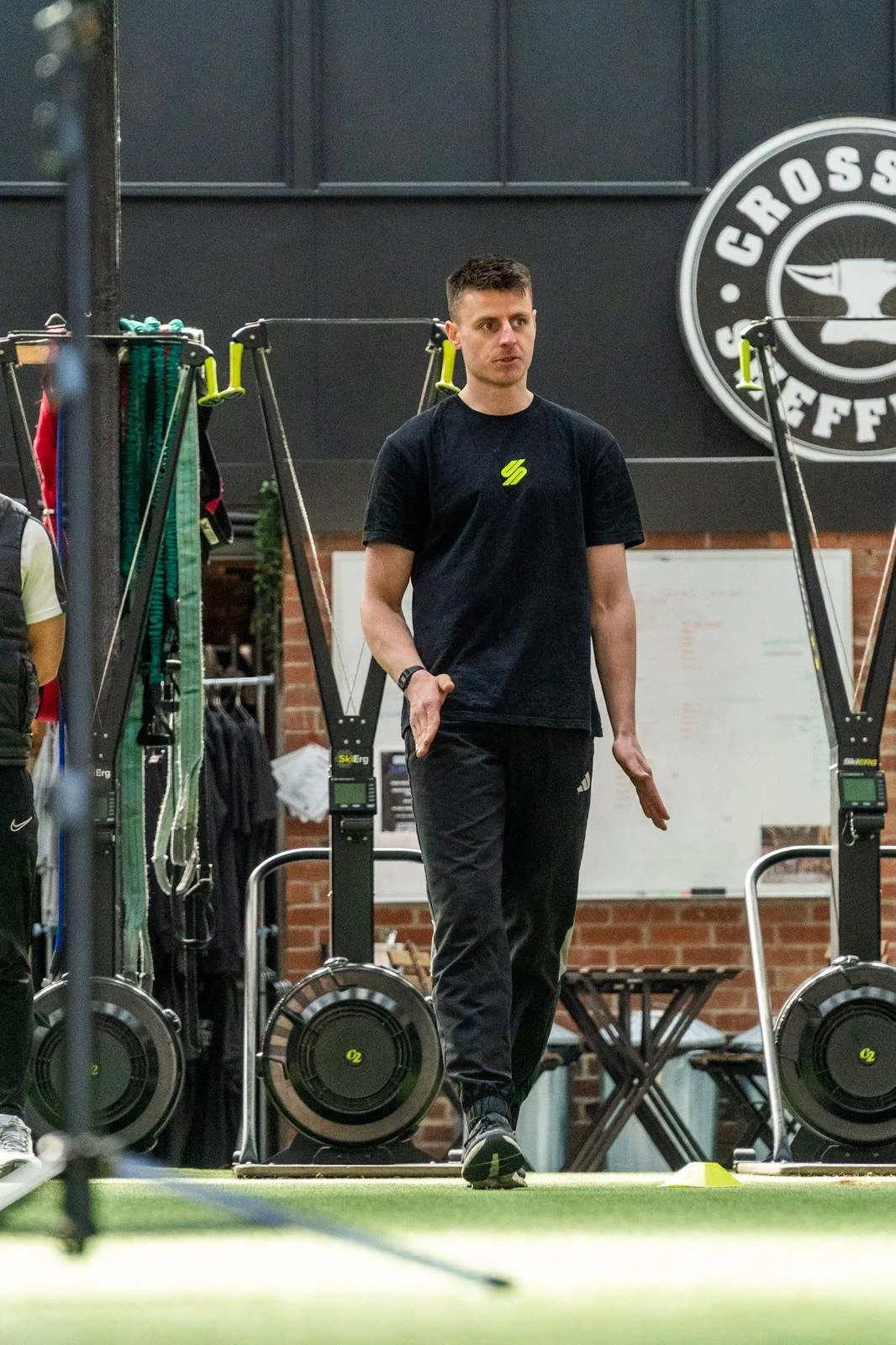
Tommy Munday is a strength and conditioning coach based in Sheffield. Through Sharp Training Systems he offers performance training, testing and consultancy for athletes. He works alongside a few physios and nutritionists, but rarely with other S&C coaches who could push back on his work. If you're a solo practitioner, you'll know that feeling well.
Where it started
When Tommy first came to Collaborate Sports, he wanted someone from outside his environment, with no bias, to look at what he was doing and tell him how to make it better for his athletes.
"Very often in your own environment, it's hard to see the wood for the trees with your own stuff. An external, bird's-eye point of view... I would advise everyone to get something like that."
He had already done plenty of online and in-person courses, seminars and CPD events. What he wanted to do was turn it all into something that worked with his athletes.
"I don't think we're starved of information these days. We can go on so many different courses, but I think very often you need someone, or an organisation like Collaborate Sports, to help you really pull this all together and apply it in your own environment."
I hear a version of this from almost every coach I mentor, and I agree. For most practitioners, the gap sits between knowing something and using it with the athletes in front of them.
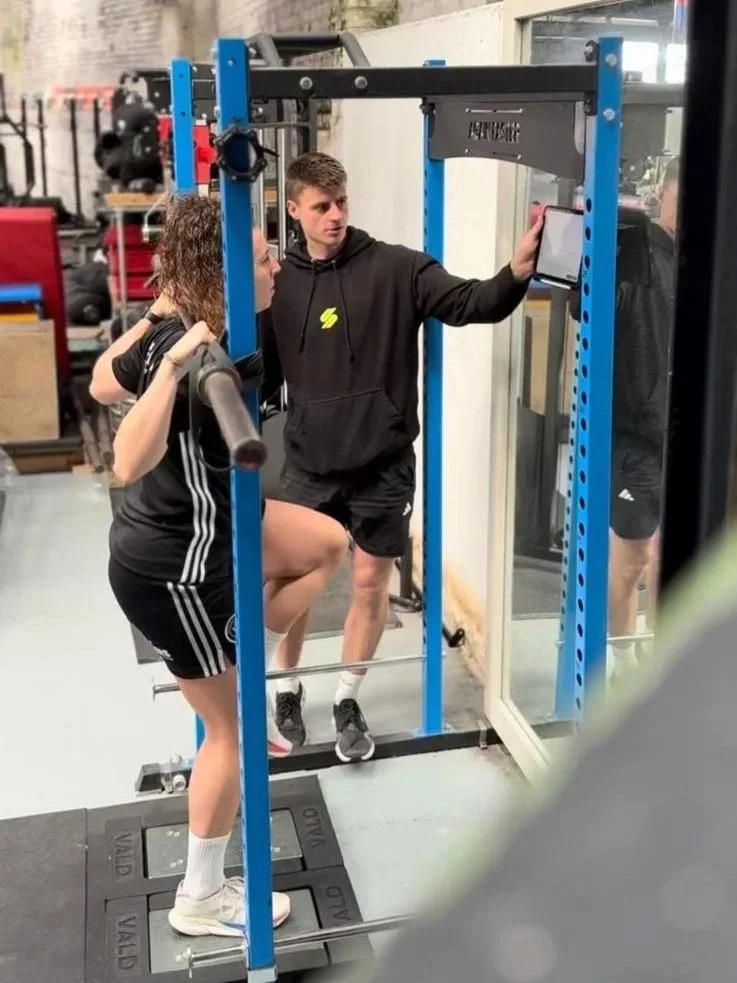
Tommy is implementing data skills learned through 1-1 mentorship
Starting with one-to-one.
Tommy was at a sticking point in his career. He wasn't sure what he wanted long term, what his real strengths were, or which areas he needed to work on and how. A general online course was never going to answer those questions for him. He wanted support built around him.
"These sessions were brilliant because they really challenged me to think more deeply. Dan would ask thought-provoking questions, and I'd always come away with three or four key action points to go ahead with before my next session."
Making the data mean something
We covered everything from VBT to programme design, but data stuck most for Tommy. He uses force plates and VBT daily, so we tightened up his testing so the numbers were reliable and he knew what to do with them.
We also built his youth athletic development framework. Tommy visited our mentor Rob Anderson to see his approach in person, and we then turned it into a framework made for his own athletes.
“I was able to meet someone, see these concepts in the flesh, go through them with Dan, and start building a bespoke programme that works for me and my athletes. It has improved the quality of what I’m doing and the service I’m offering tenfold.”
Seeking Practical Learning Experience
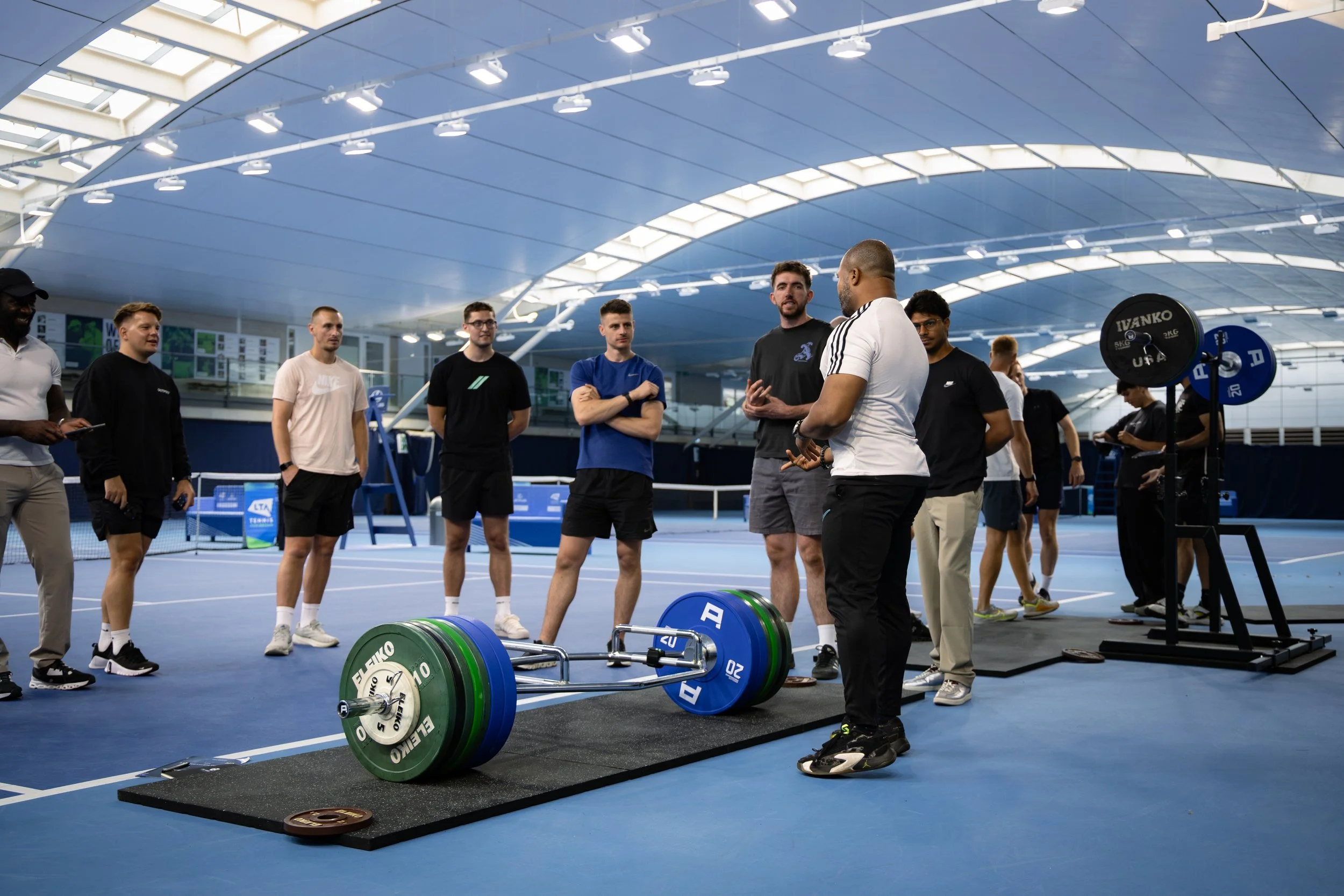
Tommy spent the day at one of our performance workshops in London this year. Next up is Liverpool! Learn more about our upcoming workshops here.
Tommy then joined us at our performance workshops at the LTA's centre in London. The day ran across three learning zones. Steve Thompson led velocity-based training, Matt Sayce and I covered the resisted sprinting, and Alex Wolf ran programme design and programme audits. Alex's session was the stand-out for Tommy, and he described the whole day as “The best CPD event he has ever been to.”
"I am a better coach the weekend after that than I was the weekend before. 100%.”
When I asked what made it different from other events, he was very clear.
"At a lot of other events you just get spoken at. You get given a lot to take away and apply, but you rarely get challenged, and you rarely get asked questions. I came away from this event absolutely exhausted, because it had really forced me to think and challenge my thought processes around why I currently do what I do."
His biggest takeaway was a line I used on the day: “Would you bet your house on your programme?” Tommy now asks himself that after writing every programme and expects his athletes' results to climb because of it.
"Could I have delivered a better programme? Could a different programme have achieved a better result? Was there an easier way of getting the result that I did?"
The performance workshops gave him people as well as learning. He caught up with former colleagues and coaches in similar positions, including Mark Childs from Bournemouth, who Tommy has leaned on for years.
"Online, on social media, people only share their successes and their wins, whereas here you really get to talk to people about their challenges and how they overcome these obstacles in their day-to-day practice."
Coaches need coaches
I asked Tommy to finish one sentence: coaches need coaches because:
"Without it, we run the risk of stagnating. We know the value of this stuff, and it's so important that we get that same benefit ourselves, so we can improve what we deliver to athletes."
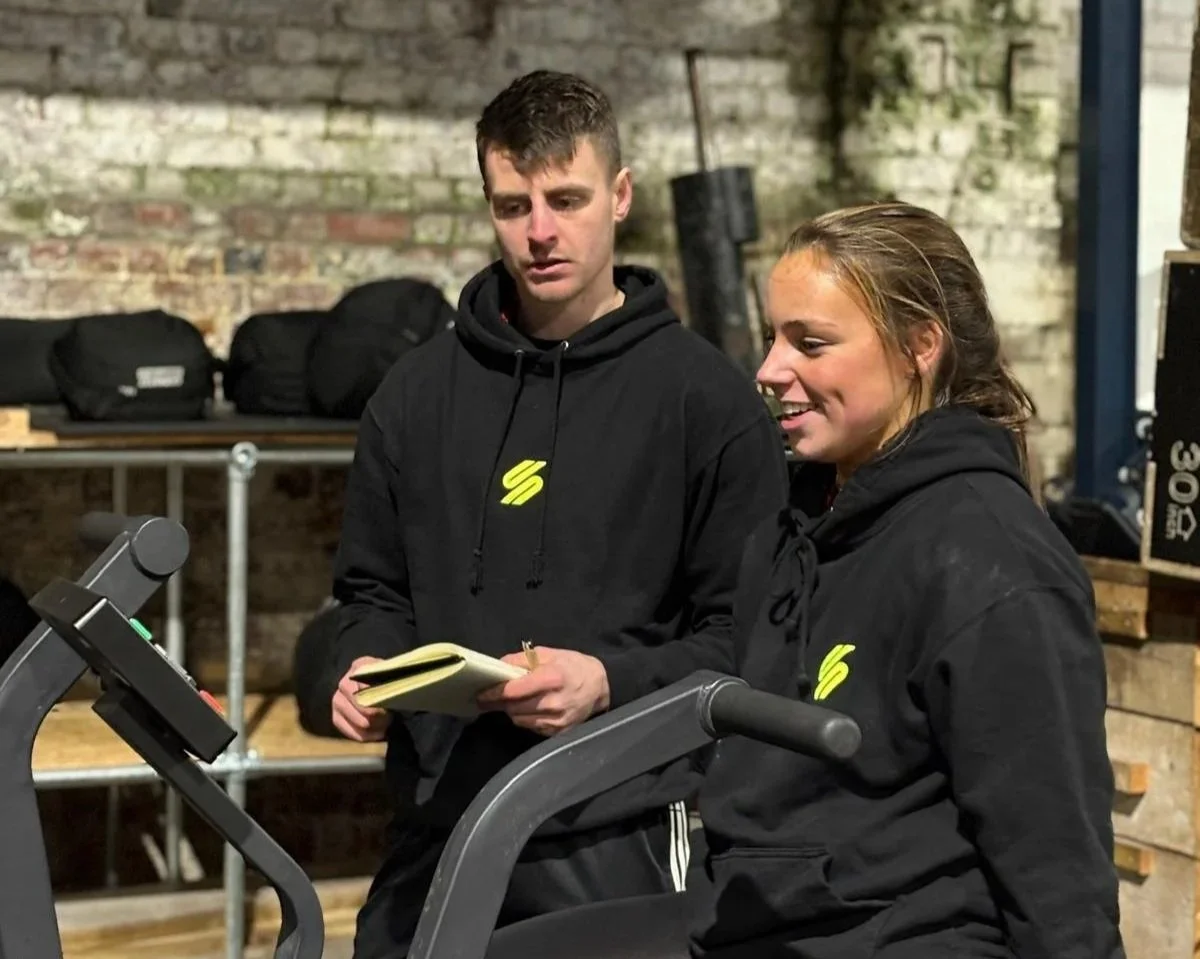
And when I asked Tommy what he'd say to a coach who thinks they can't spare a day for something like this. His answer was blunt: you risk stagnating, and you risk going backwards. He pointed to his own year as proof.
"When I look at my practice from October to March this year, with the Collaborate Sports Performance Workshops in the middle, it developed me far more than the 6 months prior!"
What to take from Tommy's story
If you've already done the courses, the next step is usually to help apply what you know in your own environment.
Data earns its place when it changes the programme.
Mentorship is uncomfortable at times, but that is part of the process.
After writing any program, ask whether you'd “bet your house” on it improving your athletes!
CHECK OUT OUR REGIONAL PERFORMANCE WORKSHOPS NOW - CLICK HERE