Everyone can learn soft skills. Here’s how to start
“Do this when I blow my whistle”.
That was how coaching used to occur, right? I talk, you listen. Think of the legendary coaches that once represented the pinnacle of our profession. Many were proud dictators: all clarity, little compassion.
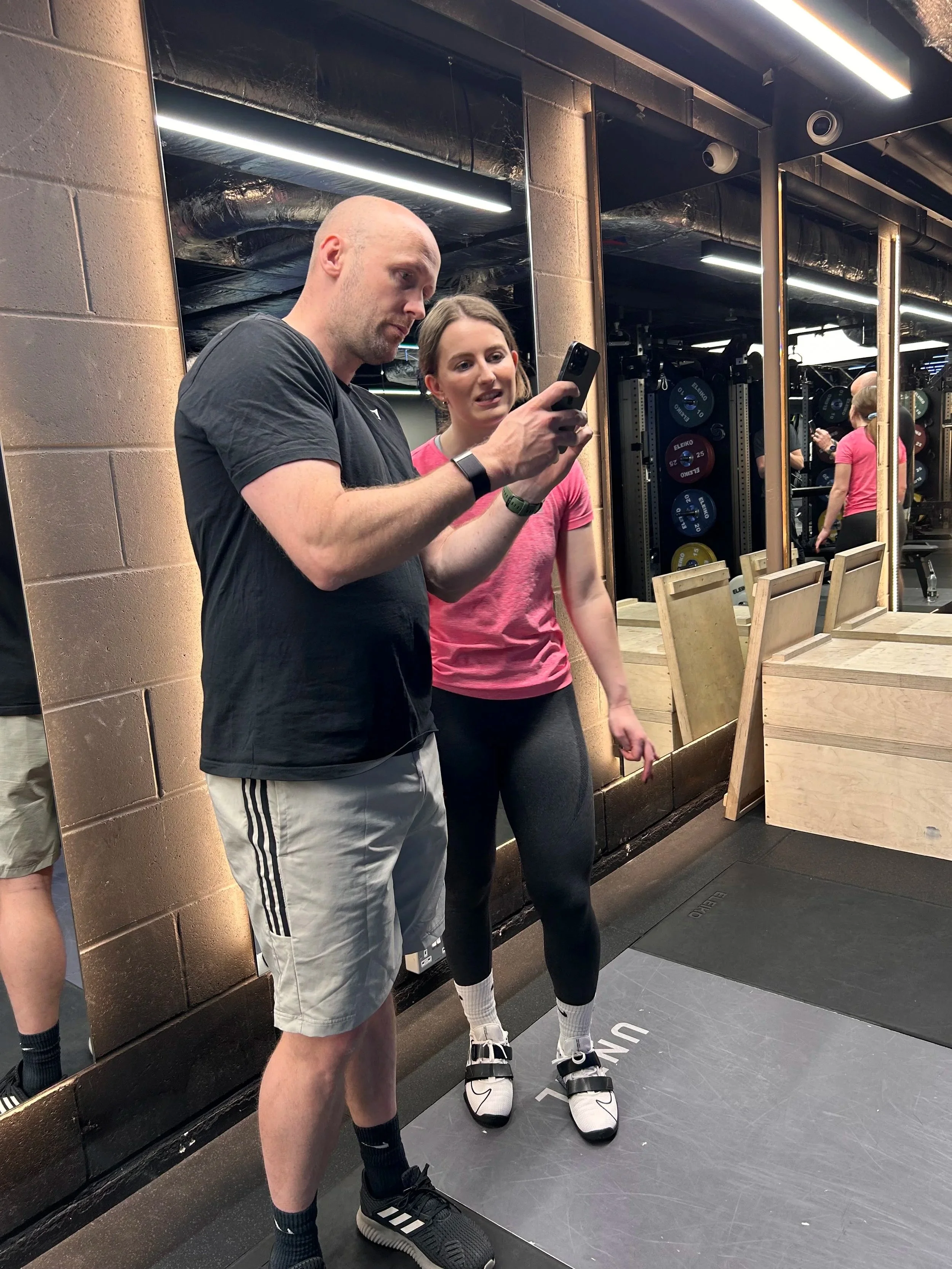
Some athletes respond better to visual feedback than words - the art of communication is deeper than what you simply say…
But that’s gone now. Sports organisations have morphed from rigid hierarchies to organic structures with shared coaching outcomes. Athletes now have better soft skills as individuals - they communicate better, they’re more educated in the world of high performance, they’re more attuned to their own mental wellbeing - and collectively our teams are more multi-cultural, which means one size can’t fit all.
In other words, the dictator is dead.
For sports practitioners, social skills are now as important as technical skills. What does that mean in practice? Well it really distils down to four key requirements:
Being authentic as leaders, while adapting to those in our charge.
Getting to know our athletes as people, not just as performers.
Understanding our athletes as well as being understood ourselves.
Not just listening to our athletes’ concerns, but relating to them - in other words, being able to put ourselves in the athlete’s shoes.
Now for many of us, this can unleash a chilling wave of imposter syndrome. Those of us who are logical and data-driven may think we can’t be sensitive. Those who are introverted may think we can’t relate to others. Most of us earned our badges in the old education systems, the ones that instilled the perception of knowledge meant power and power meant; “I speak, and you do”. How do we embrace concepts like empathy and sensitivity, which didn’t become a recognised need until when we were already fully formed coaches?
Well, having worked in both the macho world of alpha sports like rugby and the more new-school world where individual athletes work on their own game outside of club structures, I can say with certainty that anyone can learn soft skills, and it’s needed more so than ever in today's world of performance sport. Whether you’re an introvert, extrovert, left-brain or right, everyone is capable.
To be capable, requires skilled practice, which means you need to learn! And if you’ve not started learning yet, it’s simpler than you think.
Opening up to ourselves
Speaking personally, soft skills don’t come naturally. Independence and decisiveness are more intrinsic to my personality than empathy and consideration. But there’s one thing that’s underpinned my own development, and it’s fundamental to all my soft skills coaching: opening up to feedback.
This is vital to being an authentic leader, and it’s vital to all the other soft skills we need: relating to our athletes, understanding their concerns, building shared outcomes.
How do we do this? Well few, if any of us, studied the art of receiving feedback when training to be coaches, but one great tip is to send an anonymous questionnaire to the people you’re working with, asking for their appraisal of your work. If you prefer informal dialogue, just go up to your colleagues at a quiet time and ask them.
If you want quality insights from answers, don’t make them ‘yes/no’. Keep them open-ended, so the respondent is channelled into a constructive answer. A question framed as “what is one thing Dan could do better to enhance his effectiveness and add value to the team?” can go a long way to gleaning insights you had no perspective of previously. If you add “...and please explain the why behind your answer”, that supercharges the perspective with context.
Now this may sound horrible to endure. As leadership coach Henry Blumenfeld put it in a Forbes article entitled Why Feedback Sucks, “no matter how it is delivered, feedback has come to be understood as ’criticism.’Yes, it may be sandwiched between two heavy layers of sweet appreciation, but it is the bitter filling of criticism that we are programmed to remember.”
Feedback means opening ourselves up, showing vulnerability and potentially having someone trample all over our insecurities. That’s hard. But it has a direct correlation to success.
In one notable study of 51,896 executives, those who ranked among the top 10% in asking for feedback hit the 86th percentile (in other words, better than 85% of the rest) for overall leadership effectiveness. On the other hand, those who featured among the bottom 10% in asking for feedback were down in the 15th percentile.
You can critique yourself, too. If you want to see how you’re projecting to others, try videoing yourself - you may well pick up a physical or verbal tick, or a dash of negative body language that you didn’t know you were betraying (if you don’t enjoy hearing yourself on film, you can simply start with muted observation - what can you observe in your non-verbal behaviour?).
Now, some quick fixes.

Soft skills help land a message - think about the times you need to pitch ideas, challenge plans or feedback to large teams of athletes or an MDT?
The glitches that you pick up from feedback or self-reflection could come in all manner of forms. But if you’re asking the right questions, they’re likely to centre on one of three things:
How you talk to others.
How you listen when they talk to others.
How you absorb the information you receive from these dialogues.
It can take months to really unpack these behavioural snags and fix them, but there are some quick wins that anyone can weave into their day-to-day coaching repertoire.
For a start, try to be less transactional in your relationship with your athletes. It’s all too easy to fall into the demand trap - in other words, “I need you to do this for me today.” We know this will help the athlete improve, so we want them to complete the task or master the behaviour as soon as possible. But if we can ask “how are you feeling today?” or “what would you like to achieve today?” before we explain what we need, it can build trust with athletes and can encourage them to share their fears and anxieties, which leads to better, more intuitive coaching.
Also, try listening actively. This doesn’t come naturally to many of us, and that’s totally fine; some of us are dominant personalities. This means we like to get down to business and make things happen, which are great attributes in any leader. But it can also mean we struggle to take on board information from others. If you fall into this camp, make it a challenge to stay in the conversation, listen to the other person and show that you’ve listened. Repeating the other person’s question back to them, or saying ‘what I’m hearing is…’ are two great scripts I encourage all my mentees to explore. It acknowledges the other person and provides an instant way for you to show your own emotional value.
One last thing. Guided discovery and influential questions are a sure way to make a potential conflict or irritable situation less defensive for your athletes. Consider the athlete that is always late. We’ve all had them, right? By reverting to my natural behaviour of telling them “this is not professional, you are always late” I create a barrier, and a “you versus me” approach.
Instead, if you flex more by seeking to understand first through questions like “help me understand why you often appear late to practice”, this leads to genuine exploration. From this point you can even guide and negotiate expectations with your athlete.
Now none of this is to say it will be easy. There are no quick fixes for soft skills; in fact, you’re unlikely to ever master them fully.
But every time you seek feedback, practise your active listening or ask about your athletes, you’re becoming a better sports practitioner. You’re earning trust, building bonds and giving your athletes the confidence they need to thrive.
As coaches, physios, scientists and managers, we’re all deeply invested in our athletes. We’re invested in how they’re feeling, how they’re living, how they’re resting, how they’re getting better. Soft skills give us the keys to solve these riddles and thrive in a world without dictators.
Now, over to you: ready to start that self-reflection? If you’re ready to begin asking the right questions and making those crucial tweaks to your behavior, our soft skills mentorship can help you practice these skills with me, and others who are invested in developing in this way. Check out the pathway HERE or book a free, no-obligation discovery call to find out how developing your soft skills can be an asset in your development
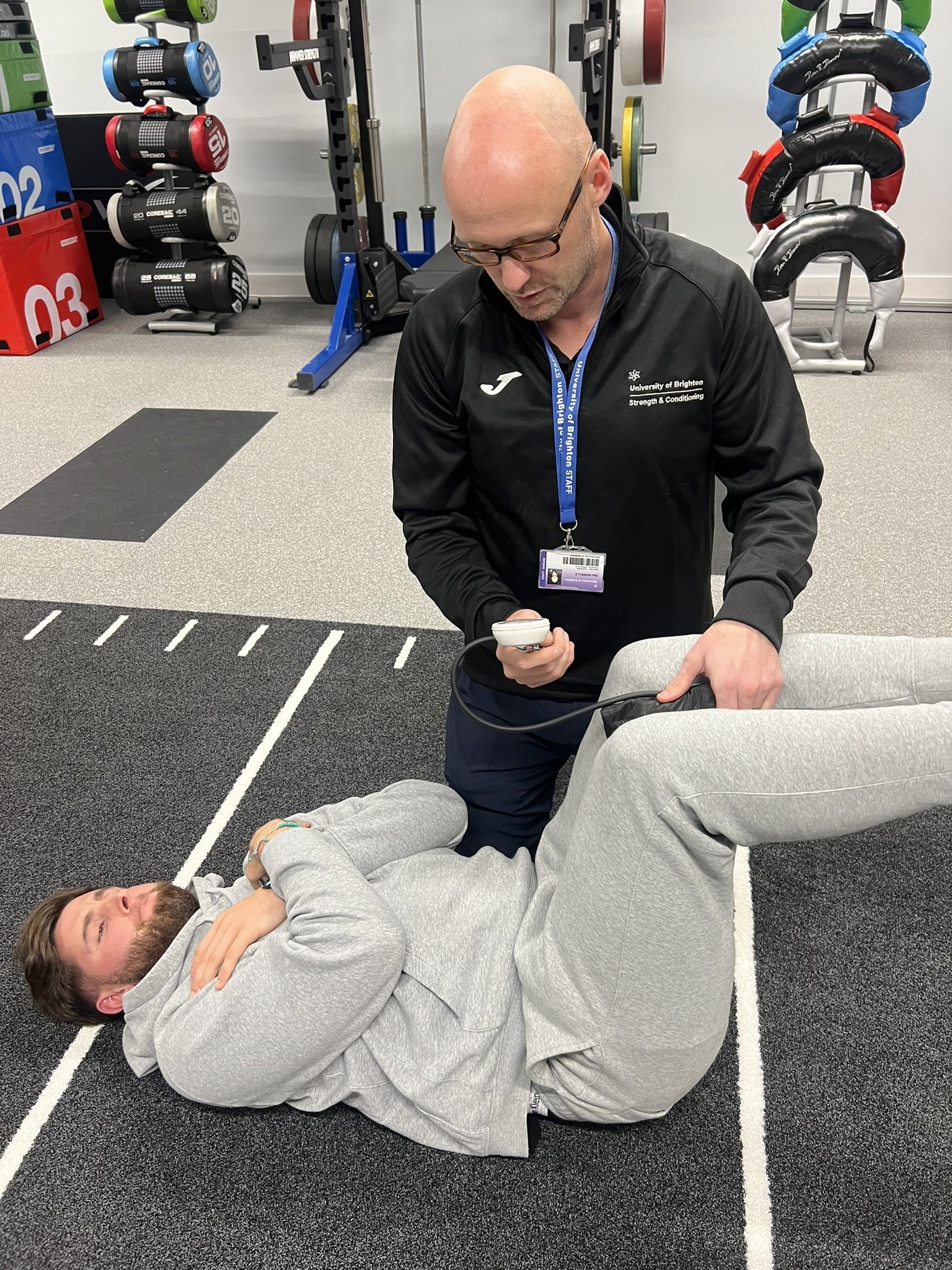
Even the specific words in sensitive situations (like athletes dealing with pain) can have a big impact on outcomes - choose your words wisely!
You may be thinking - “I’m too experienced for this” or “I already coach and know how to communicate”.
Well, here’s some common questions I’ve experienced that may help you consider if honing in on soft skill practice, is something you could benefit from.
Is this relevant if I've been coaching for 20+ years? Absolutely, and arguably more so. The longer you've been in the industry, the more likely your coaching identity will shaped by an environment that desires a certain trait of behaviours (good or bad). Senior practitioners often find the biggest gains come not from learning entirely new behaviours, but from understanding why certain interactions land differently with different athletes. Experience is an asset here, not a barrier.
I'm early in my career. Am I ready for this? Yes - and you're in an ideal position. Developing soft skills early means you build them into your coaching identity from the start, rather than having to unlearn habits later. The concepts here like: asking better questions, seeking feedback, and listening actively, are practical from day one. You don't need seniority to start; you need awareness that these skills will (and should) keep developing over your professional career.
I'm naturally introverted and data-driven. Can I still develop these skills? Yes. Soft skills aren't the same as being naturally warm or extroverted, they're learnable behaviours, not personality traits. Some of the most effective communicators in high-performance sport are analytical by nature. Introversion can actually be an advantage: it often comes with a natural tendency to listen rather than dominate.
How long does it take to see a difference? Some things shift quickly, like swapping a directive statement for an open question can change the tone of a conversation immediately. Building genuine trust takes longer. Consistent small adjustments compound over time, and the practitioners who see the most change treat soft skills the same way they'd treat any performance variable: with regular review and honest self-assessment.
What if my organisation or coaching culture doesn't value this? It's a real challenge. But the practitioners who invest in this regardless tend to build the most loyal athlete and coach relationships, get the most honest feedback, and carry the most influence - even in environments that don't explicitly reward it. Those who have taken time away from their daily environment to invest in work like this irrespective of their culture, do so because they see the skills they may need in future roles, that ones they necessarily need or are using now.
Soft skills won't appear on a coaching badge or a gym wall, yet in the moments that matter most, they're what separates good practitioners from great ones.
BOOK A CALL HERE